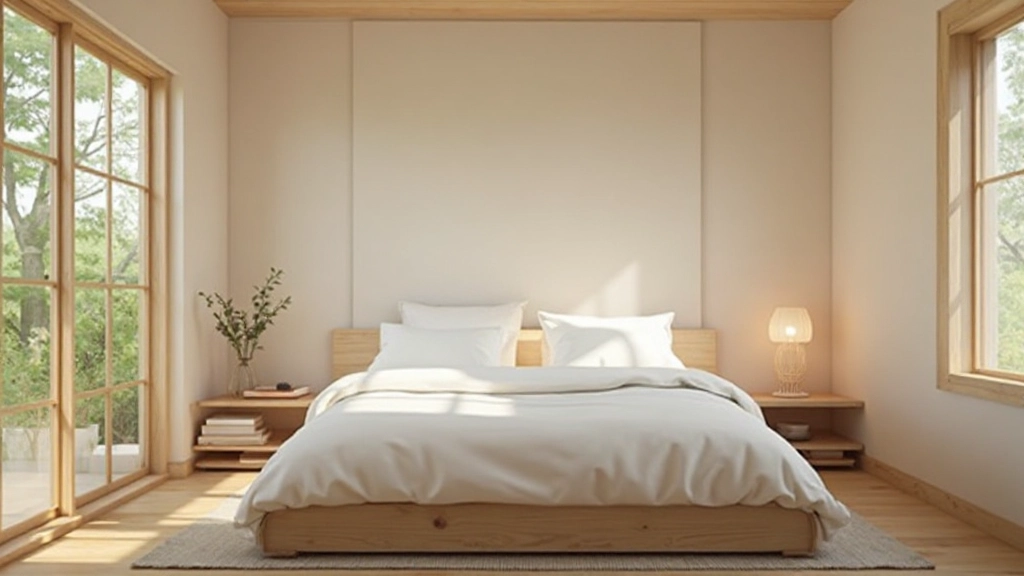
Designing Your First Minimalist Bedroom
Transform your sleeping space into a sanctuary of peace. Learn which furniture pieces create restful environments.
Read Article →Design a home office that eliminates distractions and enhances focus. Explore how minimal visual clutter and thoughtful material selection boost productivity and mental clarity.
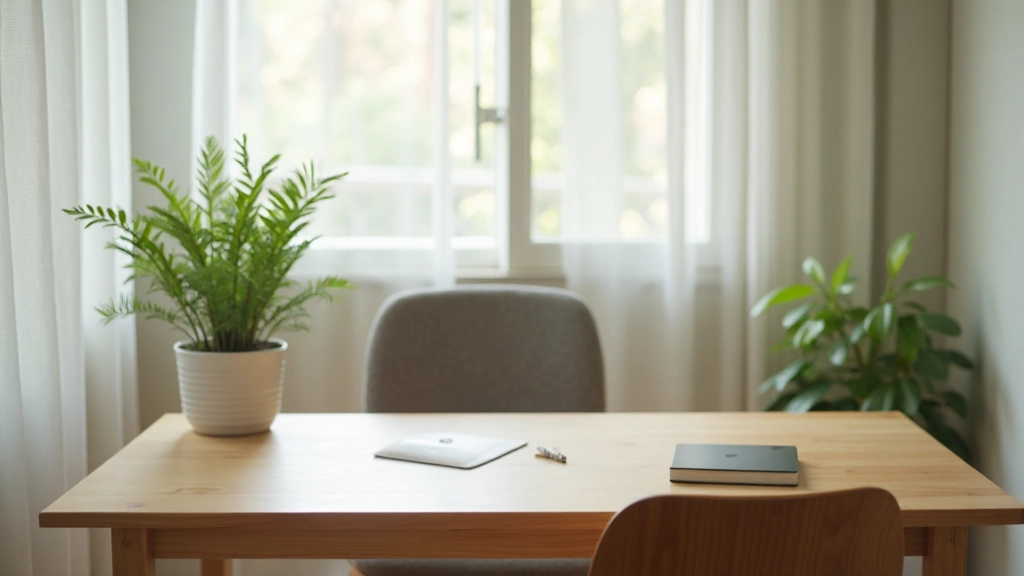
A minimalist workspace isn't about deprivation—it's about intention. When you remove unnecessary elements, your mind gains space to focus on what matters. Research shows that visual clutter creates cognitive load, draining mental energy before you even begin working.
By embracing minimalist principles in your home office, you create an environment that actively supports concentration, reduces decision fatigue, and promotes a sense of calm. This approach aligns perfectly with Japanese design philosophy, where simplicity and functionality exist in harmony.
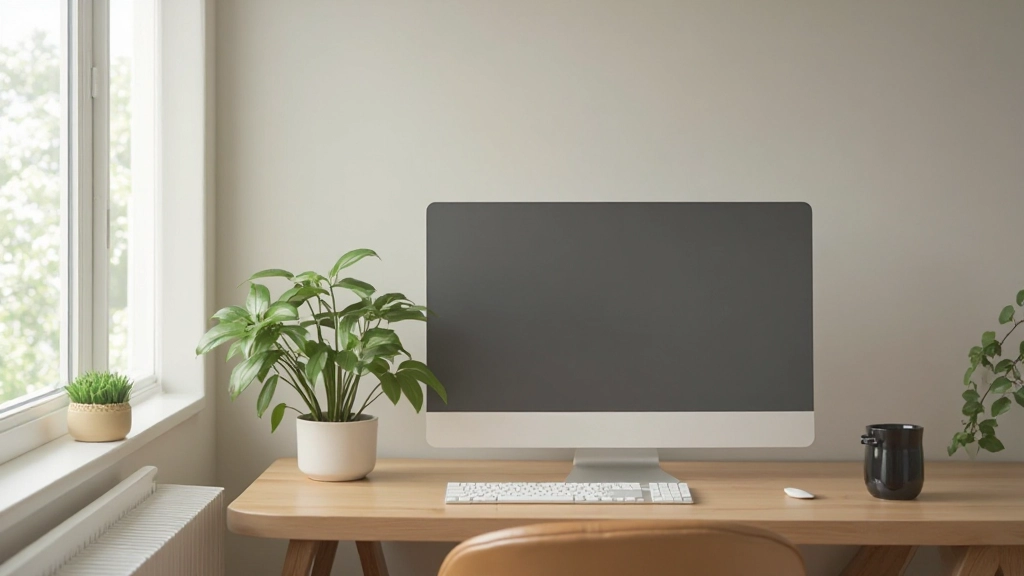
Each principle builds upon the others to create a workspace that supports deep focus
Keep your desk surface clear except for essentials. A clean desk reduces visual noise and helps your brain focus on the task at hand. Store items in drawers or on wall-mounted shelves.
Use whites, grays, and natural wood tones as your foundation. These colors create a calming backdrop that won't overstimulate your senses during long work sessions.
Choose wood, linen, and ceramic over plastic or metal. Natural materials create warmth and connection to nature, reducing stress while maintaining the clean aesthetic.
Maximize natural light through windows. When artificial lighting is needed, choose warm, diffused sources that reduce eye strain and create a pleasant working environment.
Every item serves a purpose. There's no room for decorative clutter. This principle ensures your space remains both beautiful and practical, supporting your work without distraction.
"The best desk is one you don't think about. It simply supports your work without demanding attention."
— Design Principles for Focused Work
An effective minimalist desk arrangement follows the principle of zones. Your primary work zone should contain only what you're actively using: computer, keyboard, and writing surface. Secondary zones—one for supplies, one for reference materials—keep everything accessible without cluttering your main area.
Position your monitor at eye level to reduce neck strain. Keep frequently used items within arm's reach, and store everything else vertically on shelves or in closed storage. This arrangement minimizes the physical space your workspace occupies while maximizing functionality.


Material selection is crucial in minimalist design. Natural materials like light oak or walnut create warmth while maintaining simplicity. Linen and cotton for any fabric elements add texture without visual noise. Ceramic or glass accessories provide functional beauty without unnecessary ornamentation.
Avoid mixing too many materials or finishes. Stick to 2-3 primary materials and let them speak for themselves. This restraint creates visual harmony and prevents your workspace from feeling chaotic. When materials are consistent, the space feels intentional and cohesive.
Light natural finishes work best. They brighten the space and age gracefully over time.
Linen, cotton, and wool in neutral tones add softness without visual clutter.
Storage is where minimalism truly shines. By organizing items out of sight, you maintain visual clarity while keeping everything accessible. Here's how to approach storage strategically:
Divide your supplies into categories: daily use, weekly use, and reference materials. Only keep daily-use items visible or within immediate reach.
Use simple wooden boxes, woven baskets, or filing cabinets in neutral colors. Matching containers create visual unity and make finding items easier.
Wall-mounted shelves keep your desk surface clear while making storage visually interesting. Floating shelves in light wood or white create depth without weight.

Creating a minimalist workspace is an investment in your productivity and mental well-being. Start by removing items you don't actively use. Then, thoughtfully add back only what supports your work. This iterative process helps you discover what truly matters in your environment.
Remember that minimalism isn't about having nothing—it's about having only what serves a purpose. Your workspace should reflect your values and support your goals. When your physical environment is clear and intentional, your mind follows suit, allowing you to focus deeply on meaningful work.
Explore our comprehensive guides on minimalist home design to discover more ways to create spaces that support your best work.
Explore More ResourcesThis article provides general guidance on minimalist workspace design principles. Individual workspace needs vary based on your specific work type, physical requirements, and personal preferences. Consider consulting with ergonomic specialists or interior designers for personalized advice tailored to your situation. The design principles presented here are educational and meant to inspire thoughtful workspace planning.