
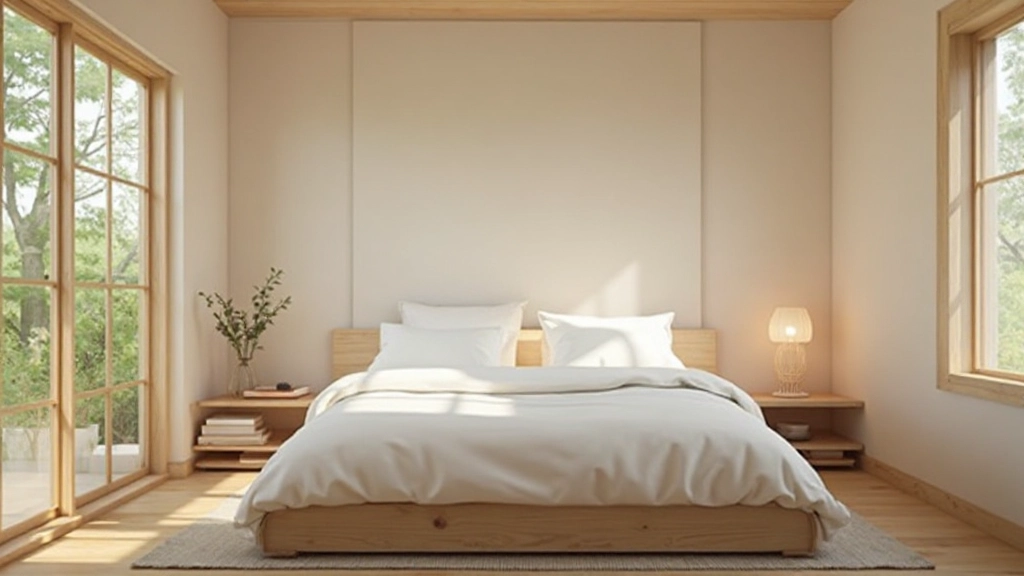
Minimalist Kitchen Organization Principles
Create a functional kitchen that supports daily rituals. Discover how Japanese kitchens balance beauty with utility through thoughtful storage and purposeful design choices.
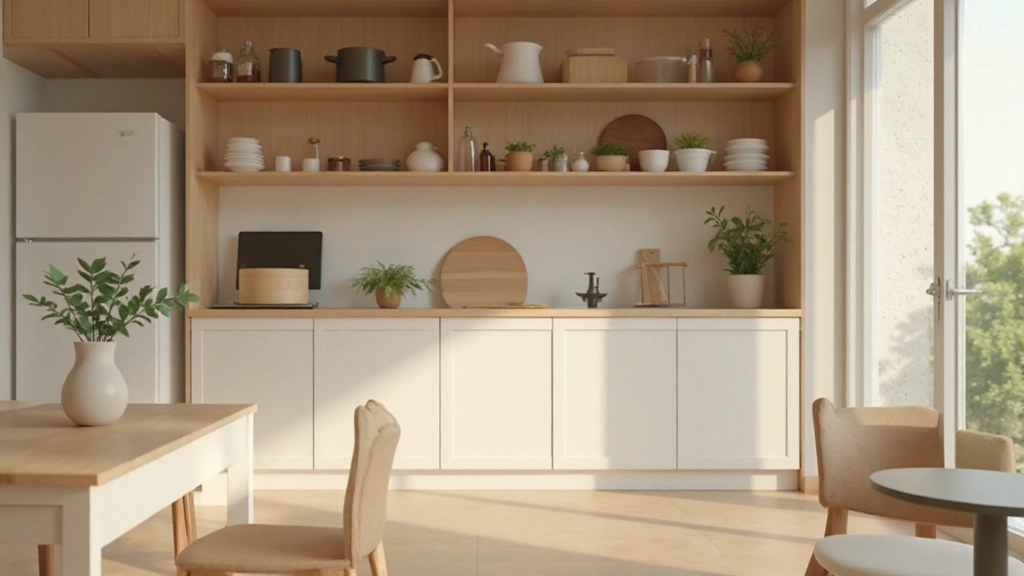
Understanding Kitchen Minimalism
The Japanese philosophy of minimalism extends far beyond aesthetic simplicity. In the kitchen, it represents a deliberate approach to living—keeping only what serves your daily needs and removing everything that creates visual or mental clutter. This principle, rooted in centuries of Japanese design tradition, transforms the kitchen from a space of excess into one of purposeful efficiency.
A minimalist kitchen isn't about sacrifice or limitation. Rather, it's about clarity and intention. Each item has a specific purpose. Each surface serves a function. The result is a space that feels calm, works seamlessly, and makes cooking an intentional, mindful activity rather than a chaotic task.
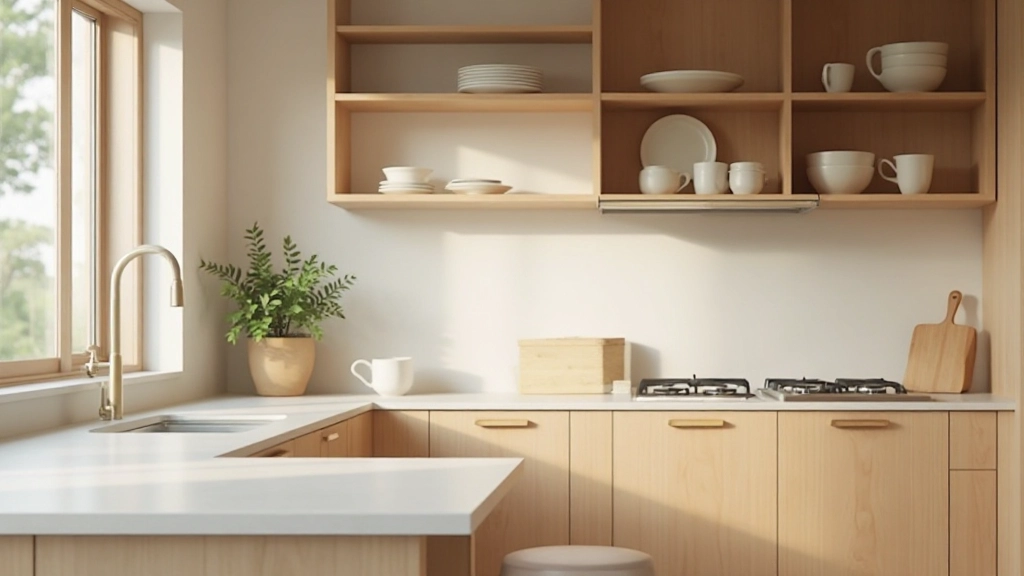
Core Concepts
Five Essential Organization Principles
01
Intentional Selection
Begin by evaluating every item in your kitchen. Keep tools and equipment that you use regularly or that bring genuine joy. Remove duplicates, broken items, and gadgets that serve a single purpose. The goal is to have a curated collection where each item earns its space through function or beauty—ideally both.
02
Accessible Storage
Store items at eye level and within arm's reach of where they're used. Pots near the stove, glasses near the sink, cooking utensils beside the prep area. This reduces wasted motion, makes cooking more efficient, and naturally prevents overaccumulation since visible storage has natural limits.
03
Visual Breathing Room
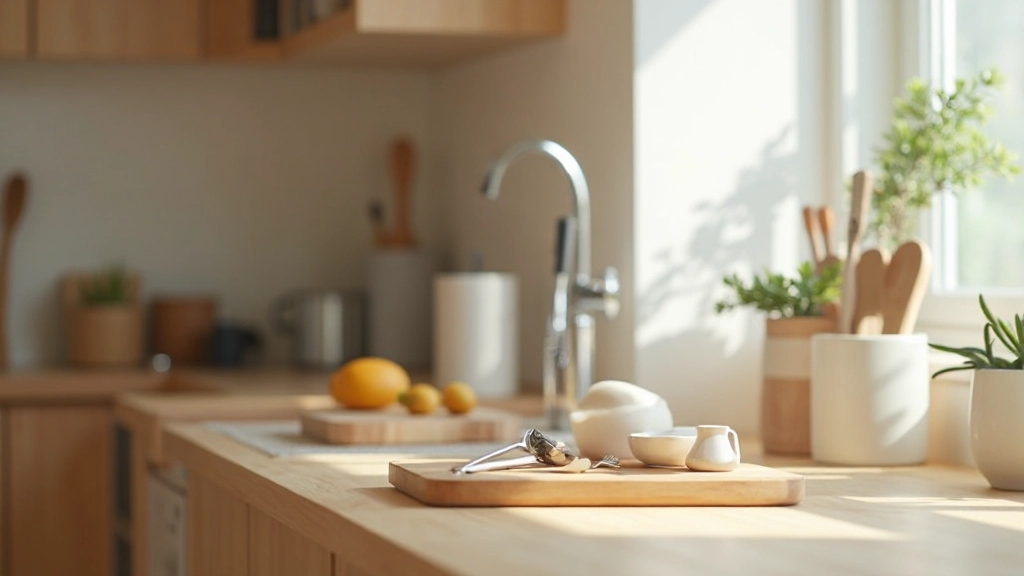
Countertops should be mostly clear, with only daily essentials visible. This doesn't mean empty—it means purposeful. A wooden cutting board, a ceramic knife holder, perhaps a plant. The empty space itself becomes valuable, reducing visual noise and making the space feel larger and more peaceful.
04
Natural Materials and Neutral Colors
Choose materials that age gracefully: wood, ceramic, stainless steel, glass. Stick to a neutral color palette—whites, creams, soft grays, natural wood tones. These choices create visual harmony, allow individual items to stand out, and create a timeless aesthetic that won't feel dated in a few years.
05
Regular Maintenance
Minimalism requires ongoing attention. Each month, evaluate what you've added. Are new items earning their place? This practice prevents clutter from creeping back in and keeps your kitchen aligned with your values of simplicity and functionality.
Smart Storage Solutions
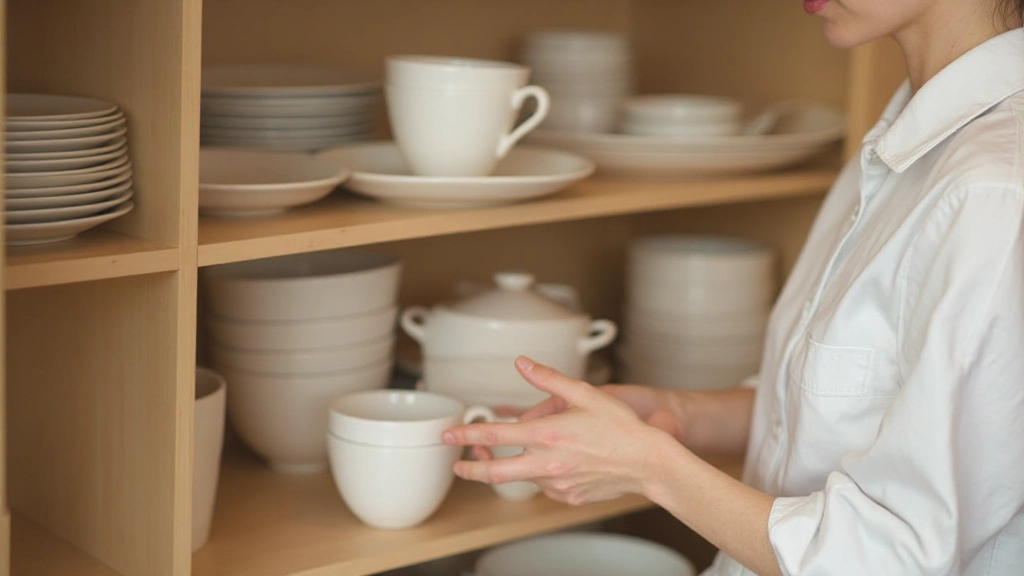
The Japanese concept of "ma"—the strategic use of empty space—applies directly to kitchen storage. Rather than filling every cupboard, consider open shelving that displays your most beautiful items. A few quality ceramic bowls, wooden spoons, and glass jars become design elements rather than clutter.
Vertical storage maximizes limited space without creating visual heaviness. Wall-mounted shelves, hanging rails for knives, and ceiling-hung pot racks keep items accessible while freeing valuable counter and cabinet space. Drawer dividers and stackable containers create order within hidden storage, so when you open a cabinet, you find exactly what you need without searching.
The most effective kitchens have a clear hierarchy: daily-use items accessible on open shelves, weekly items in easily-reached cabinets, and rarely-used items stored higher or deeper.
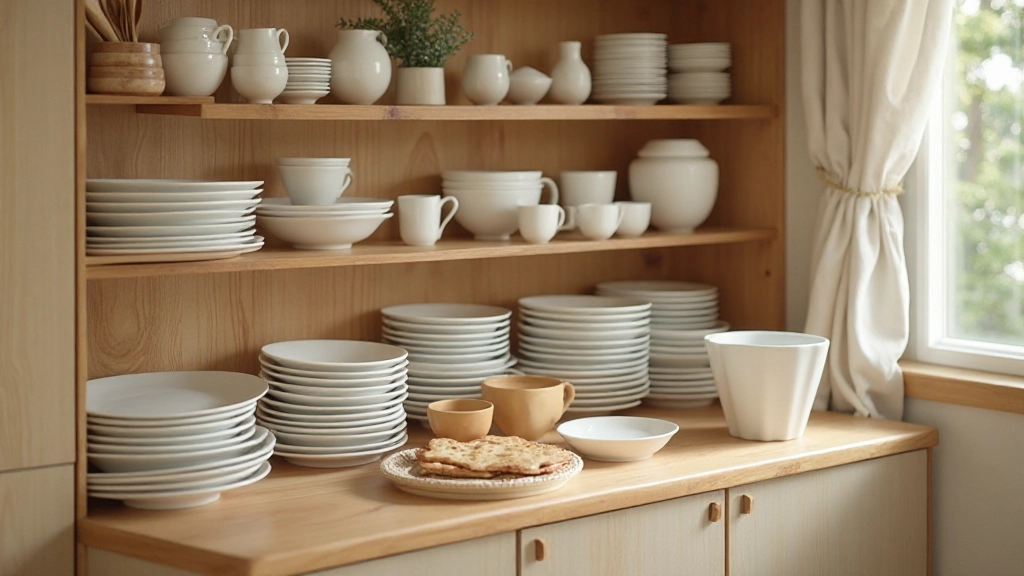
Creating Efficient Work Zones
A minimalist kitchen works best when organized into functional zones. The prep zone near the cutting board and sink. The cooking zone around the stove with frequently-used pots and spices nearby. The serving zone close to plates and glasses. This workflow-based organization means you move efficiently through the space, reducing wasted steps and making cooking feel meditative rather than frustrating.
Within each zone, keep only what's needed. Your prep area doesn't need eight different knives—three quality ones handle everything. The cooking zone needs essentials: a few pots, your most-used spices, and basic tools. This constraint forces you to become skilled with fewer tools, which deepens your connection to cooking and simplifies cleanup.
The Deeper Philosophy
"In a minimalist kitchen, every object has a story and a purpose. The wooden spoon your grandmother used. The ceramic bowl you found at a local maker's studio. These items carry meaning beyond function, making your space deeply personal while remaining beautifully simple."
Minimalist kitchen organization isn't about deprivation—it's about abundance through clarity. When you remove visual noise, you notice what matters: the quality of your ingredients, the ritual of preparation, the people you cook for. A kitchen with fewer things but better things becomes a sanctuary for intentional living.
This approach aligns with Japanese design principles that have influenced interior spaces for centuries. It respects your time by eliminating unnecessary decisions. It respects your space by maximizing functionality within constraints. And it respects your mind by creating an environment that feels calm rather than overwhelming.
Natural Materials
Wood, ceramic, glass, and metal age beautifully and connect us to natural elements
Mindful Rituals
Cooking becomes a meditative practice when the space supports focus and intention
Functional Beauty
Every item visible serves both practical and aesthetic purposes
Practical Implementation Steps
Start small. Rather than reorganizing your entire kitchen at once, begin with a single cabinet or drawer. Remove everything. Clean the space. Return only items you've used in the past three months or that bring you joy. This controlled approach lets you experience the benefits of minimalism before committing to larger changes.
As you build confidence, expand to your countertops. Remove everything except what you use daily or what's genuinely beautiful. This usually means clearing 60-80% of what's typically displayed. The visual impact is remarkable—suddenly your space feels larger, calmer, and more intentional. Then move to your major appliances and cooking tools, asking the same questions: Do I use this? Does it bring me joy? Does it align with my cooking style?
Your Minimalist Kitchen Journey
A minimalist kitchen is an investment in your daily experience. It simplifies decisions, reduces maintenance, and creates space—both physical and mental—for what truly matters. The principles outlined here aren't rigid rules but invitations to explore what works for your lifestyle.
Begin this week. Choose one small area. Experience how intentional curation feels. Notice how fewer items paradoxically make cooking more enjoyable. From there, the rest naturally follows. Your kitchen can become a beautiful reflection of Japanese design philosophy: simple, functional, and deeply satisfying.
About This Content
This article provides educational information about minimalist kitchen organization principles and Japanese design philosophy. It's intended to inspire and inform your personal design choices. Every home and lifestyle is unique—adapt these principles to what works for your specific needs, family size, and cooking style. Interior design decisions should reflect your values and practical requirements. For personalized design assistance, consider consulting with a professional interior designer who can assess your specific space and needs.