Designing Your First Minimalist Bedroom
Transform your sleeping space into a sanctuary of peace and purpose
Why Your Bedroom Matters Most
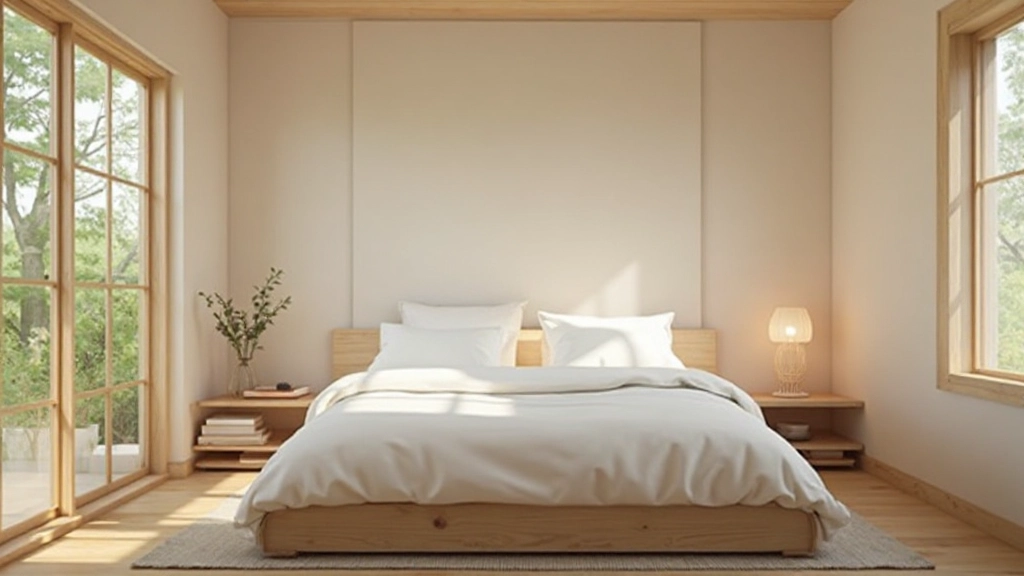
Your bedroom is more than just a place to sleep—it's your personal sanctuary where you begin and end each day. A minimalist approach to bedroom design creates an environment that naturally promotes better sleep, reduces stress, and helps you wake refreshed.
The Japanese concept of "ma" (negative space) teaches us that what you remove is as important as what you keep. In a minimalist bedroom, every item serves a purpose, and empty space becomes a design element itself. This creates a psychological sense of calm that modern life desperately needs.
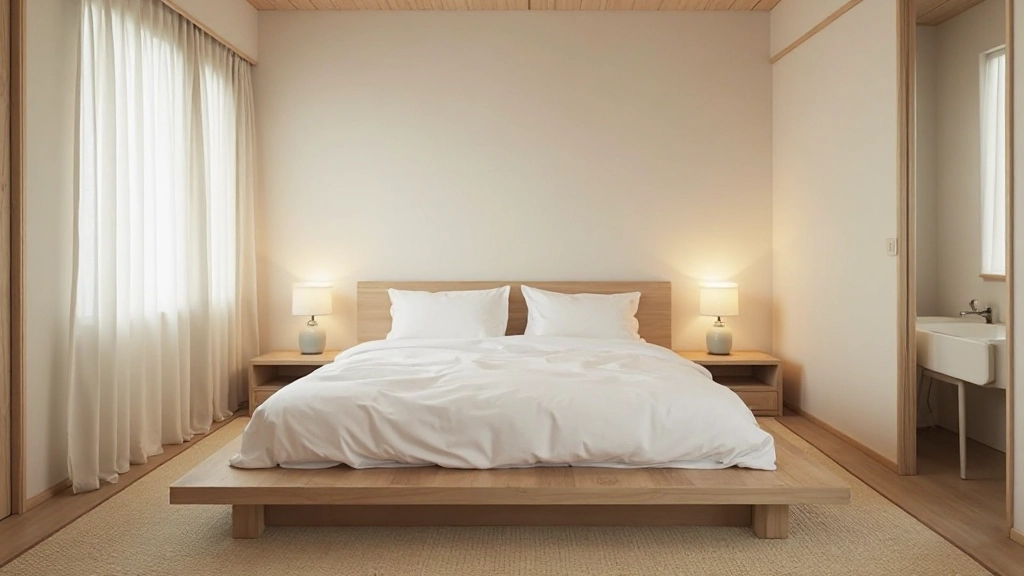
Five Pillars of Minimalist Bedroom Design
Build your space on principles that actually work
A minimalist bedroom isn't about deprivation—it's about intentionality. These five foundational principles guide every decision, from furniture selection to color choices.
Function First
Every piece must serve a clear purpose. A nightstand holds essentials; a chair provides a place to sit. If it doesn't function, it doesn't stay.
Quality Over Quantity
One well-made item outlasts three cheap alternatives. Invest in a durable bed frame, quality sheets, and sturdy furniture that will last years.
Neutral Foundation
Start with whites, grays, beiges, and natural wood tones. This creates visual calm and allows light to move naturally through the space.
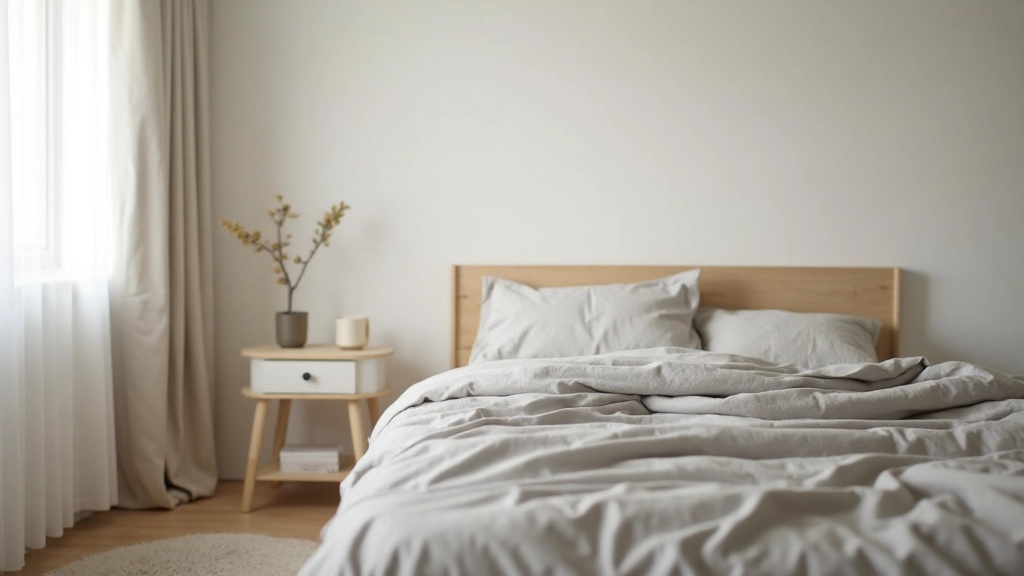
What You Actually Need
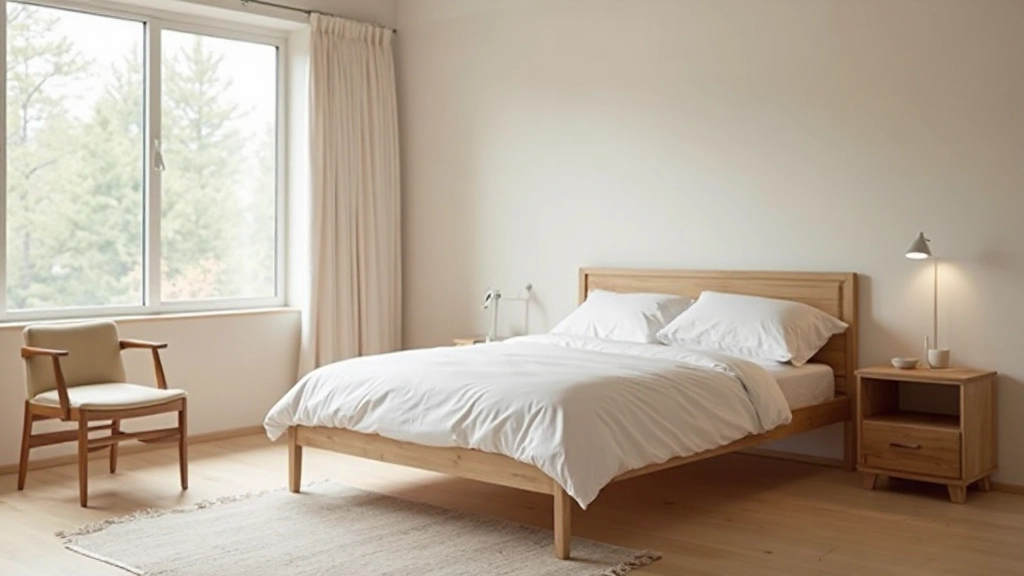
Strip away everything and ask: what do I actually need? Most minimalist bedrooms contain just five essential pieces.
A Quality Bed
Your foundation for sleep. Choose a solid frame in natural wood or steel. A platform bed eliminates the need for a box spring and takes up less visual space than traditional frames.
One Nightstand
A small table beside your bed for essentials: lamp, phone, water. One is sufficient. Matching pairs create visual clutter without added function.
Storage Solution
A small dresser or wall-mounted shelves for clothing. Choose pieces that fit your space and hide items from view. A single dresser keeps visual chaos minimal.
Seating
Optional but valuable. A single chair by the window provides a reading space and breaks up the room without overwhelming it. Choose a natural material that echoes your bed frame.
"The secret of the minimalist aesthetic is that everything chosen to be in the room earns its place through beauty or purpose."
— Interior Design Philosophy
Three Proven Layout Approaches
Find the arrangement that works for your room dimensions
Centered Wall Placement
Position your bed against the longest wall, centered if possible. Place the nightstand beside it. This traditional arrangement maximizes floor space and creates visual symmetry. The empty space becomes as important as the furniture itself.
Corner Orientation
Tuck your bed into a corner to create a defined sleeping zone while opening the rest of the room. This works beautifully in smaller bedrooms and naturally creates a cozy nook without visual weight.
Floating Configuration
Pull your bed away from the wall into the center of the room. This advanced technique requires careful spacing but creates a luxurious, hotel-like feeling. Use a wall-mounted shelf instead of a nightstand to maintain the floating aesthetic.
The Details That Matter
Minimalism isn't about emptiness—it's about thoughtfulness. These subtle choices elevate your space from sparse to serene.
Lighting Strategy
Choose one or two light sources: a ceiling fixture and a bedside lamp. Avoid overhead lighting that feels harsh. Warm, dimmable bulbs (2700K color temperature) create a naturally calming environment.
Textiles as Texture
Layered linens add depth without clutter. Quality cotton sheets, a single linen throw, and one pillow per sleeper create visual interest through texture rather than quantity.
Natural Elements
A single plant, natural wood furniture, or stone accents connect your room to nature. These elements introduce life and warmth without overwhelming the minimal aesthetic.
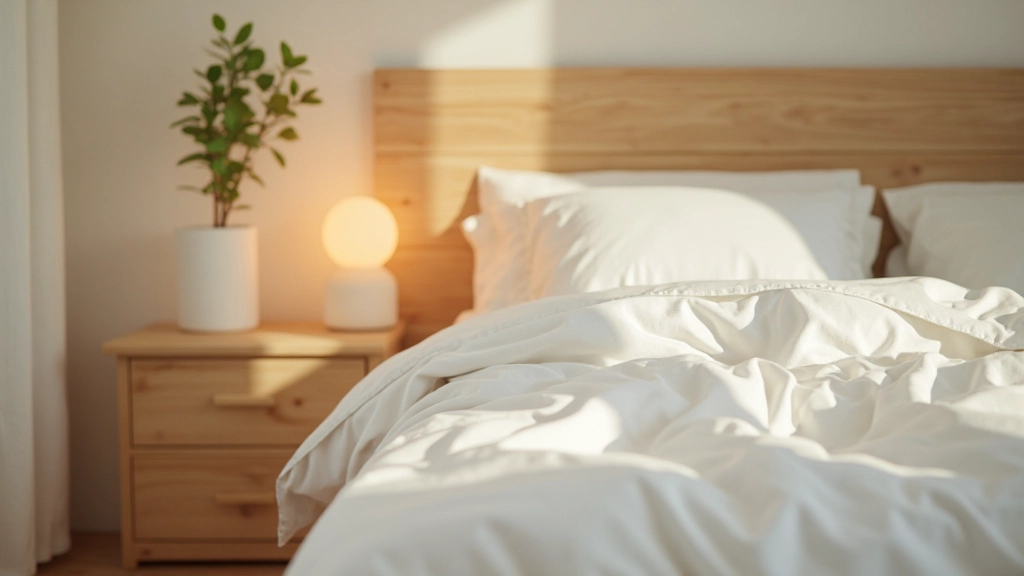
Design Your Bedroom in Five Steps
Declutter Completely
Remove everything that isn't a furniture essential. This blank canvas helps you see your space clearly and decide what you truly need.
Choose Your Palette
Select 3-4 colors maximum. White or cream walls, natural wood tones, and soft gray accents create visual harmony without decision fatigue.
Select Core Furniture
Invest in a quality bed, one nightstand, and one storage piece. Choose natural materials that age gracefully and create warmth.
Plan Your Layout
Measure your room carefully. Sketch your chosen layout. Ensure at least one clear pathway and open floor space for visual breathing room.
Refine Over Time
Live in your space for a few weeks. Notice what works and what doesn't. Add pieces slowly and only if they serve a clear purpose.
Your Peaceful Bedroom Awaits
A minimalist bedroom isn't a luxury—it's an investment in better sleep and daily calm. By focusing on what truly serves you, you create a space that reflects your values and supports your well-being.
Start with one decision: what's the first piece of furniture you'll commit to? Once you have your foundation, everything else falls into place. The beauty of minimalism is that it doesn't require perfection—it requires intentionality.
Explore More Design Principles
Discover how minimalist principles extend throughout your entire home.
Browse All ArticlesDisclaimer
This article provides educational information about minimalist bedroom design principles and approaches. Design choices depend on individual preferences, room dimensions, budget, and personal circumstances. While these guidelines are based on established design principles, results may vary based on your specific situation. Consider consulting with a professional interior designer for personalized advice on your particular space. Always measure your room and furniture before purchasing to ensure proper fit.