Japanese Living Room Layout Essentials
Master the principles of ma—the strategic use of empty space. Learn how Japanese design creates room flow that feels both open and intimate through thoughtful furniture placement.
7
Layout Principles
50+
Design Tips
15
Real Examples
Understanding Ma: The Foundation of Japanese Space
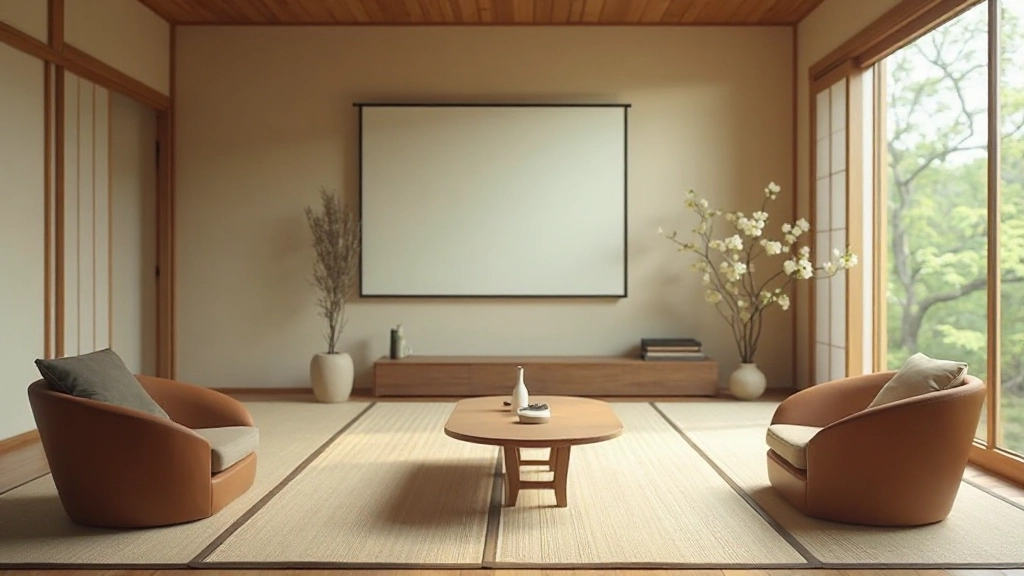
The Japanese concept of "ma" (間) represents much more than empty space—it's a deliberate design philosophy that celebrates negative space as an essential design element. In traditional Japanese living rooms, this principle transforms ordinary spaces into sanctuaries of calm and contemplation. Rather than filling every corner with furniture and decoration, Japanese design recognizes that space itself is a design material worthy of careful consideration.
This approach creates rooms that feel both spacious and cozy, practical yet meditative. By understanding how Japanese designers balance furniture placement, sightlines, and breathing room, you can transform your own living space into a harmonious environment that supports relaxation, focus, and genuine connection.
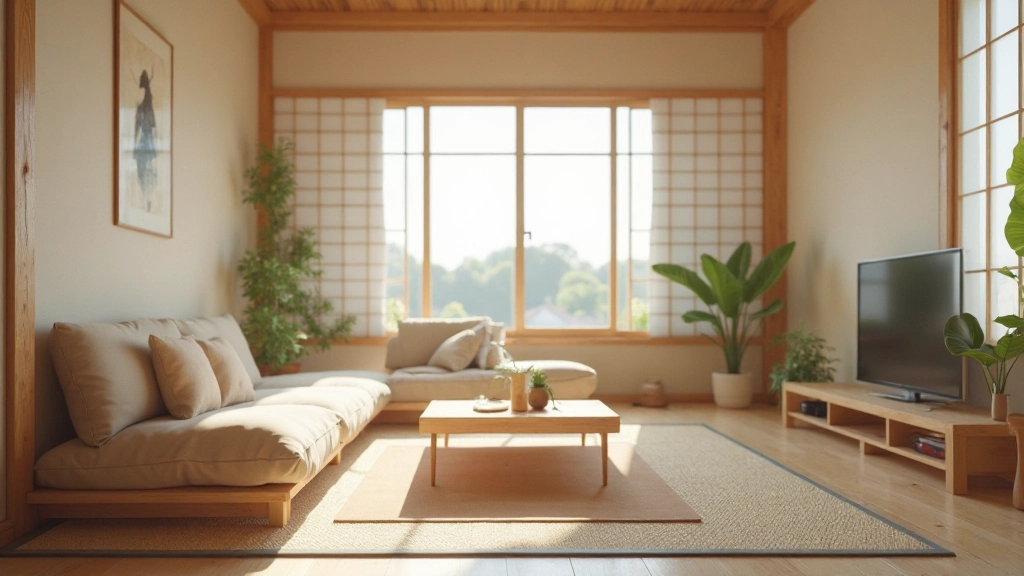
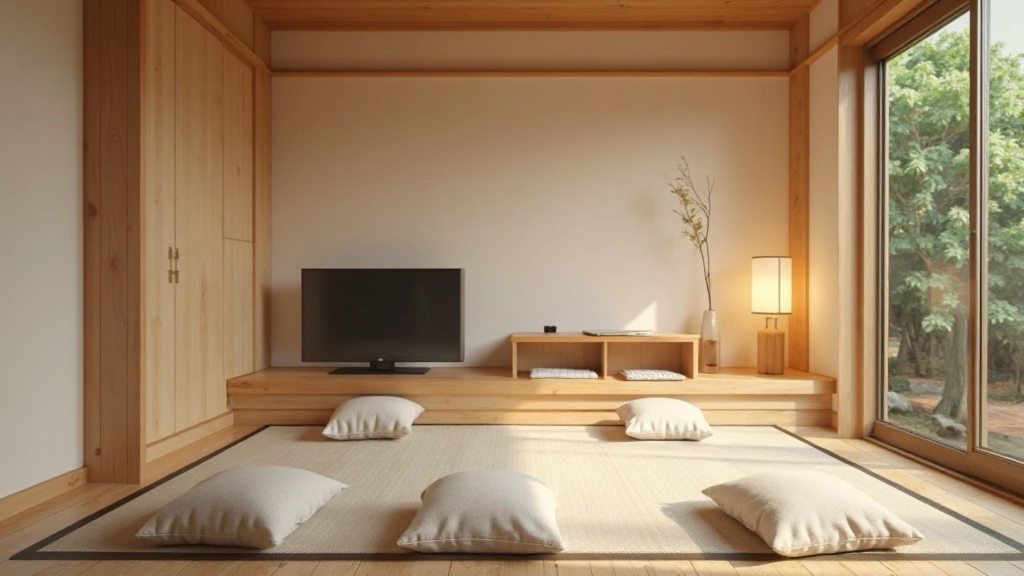
The Five Principles of Japanese Living Room Layout
Effective Japanese living room design rests on five interconnected principles that work together to create spaces of remarkable functionality and beauty. These aren't rigid rules but flexible guidelines that adapt to your specific room, lifestyle, and climate.
01
Center the Hearth
In traditional Japanese homes, the central hearth (irori) or modern equivalent becomes the focal point. Arrange seating to naturally gravitate toward this center, creating a gathering space that encourages conversation and connection.
02
Prioritize Sightlines
Japanese design carefully considers what views unfold as you move through the space. Arrange furniture to create clear sightlines toward gardens, windows, or beautiful interior elements, allowing the eye to travel and rest naturally.
03
Embrace Floor-Level Living
Lower furniture heights create intimacy and make rooms feel larger. Floor seating (zaisu cushions) and low tables encourage connection with the space itself and reduce the visual weight that tall furniture creates.
Furniture Selection and Placement Strategy
In Japanese living rooms, every piece of furniture serves a specific purpose and occupies thoughtfully considered space. Rather than creating distinct "zones," Japanese design often features flexible arrangements that adapt to daily needs and seasonal changes.
"The beauty of Japanese interiors lies not in what fills the space, but in what remains empty. Each piece of furniture is an accent to silence."
— Interior Design Philosophy
Select furniture with clean lines and minimal ornamentation. Low wooden tables (chabudai) remain central to gathering spaces, while storage solutions integrate into walls rather than floating in the room. This approach maintains visual calm while ensuring everything you need is within reach but not demanding attention.
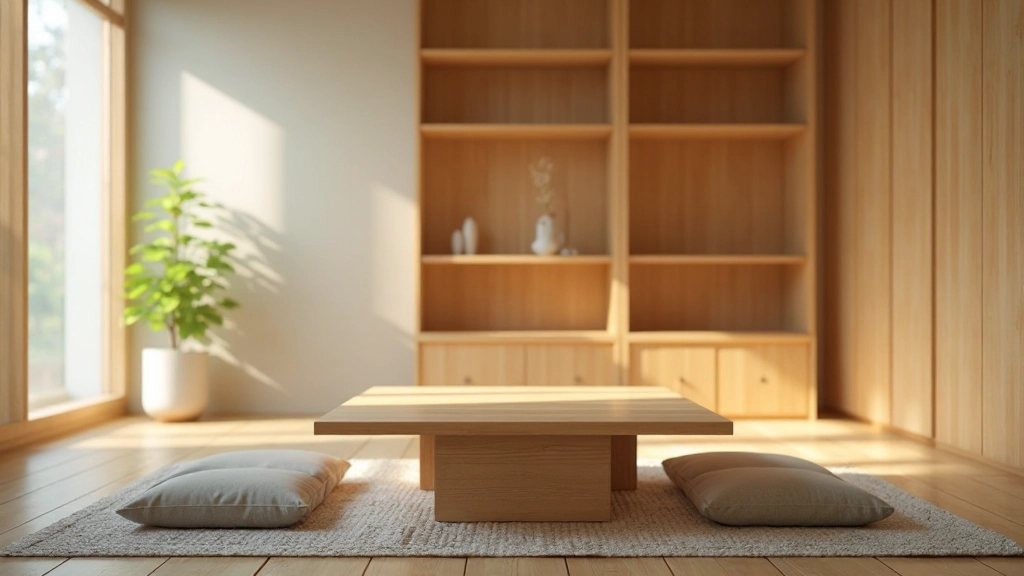
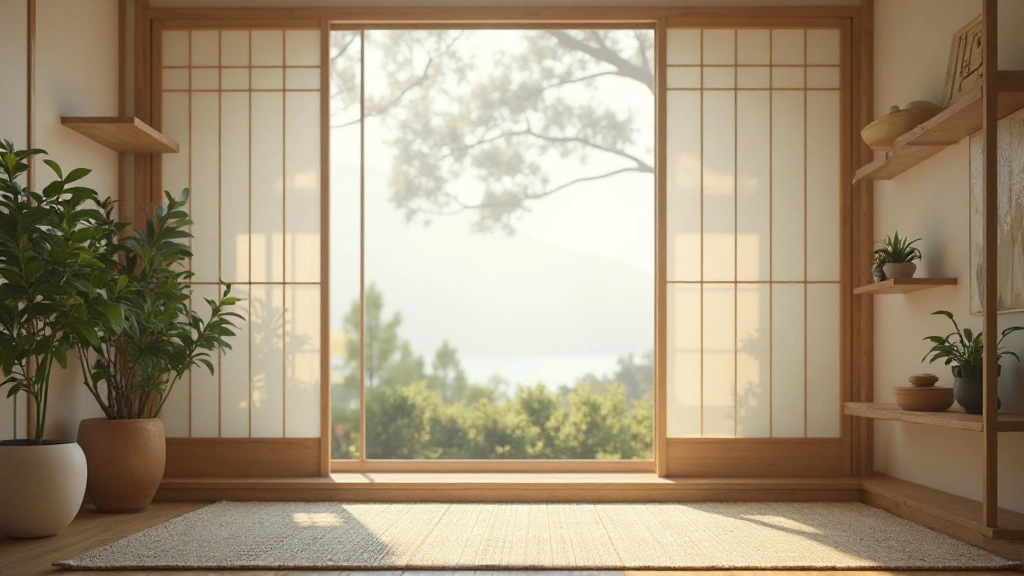
Creating Flow and Flexibility
Japanese living rooms excel at accommodating multiple uses within a single space. A room might serve as sleeping quarters by night and entertaining space by day, with furniture arrangements that shift to support these transitions.
Shoji screens (sliding paper panels) become essential tools for creating flexible spatial divisions. These elements allow you to open spaces fully for gathering or close them for privacy and intimacy. Wall-mounted storage and built-in shelving maximize usable space while maintaining visual simplicity on the floor.
The key is designing with intention: every element should have multiple purposes or adapt to changing needs. A low bench might serve as seating, storage, or display surface depending on how it's arranged and what sits upon it. This flexibility creates spaces that remain fresh and functional across seasons and life stages.
Your Step-by-Step Implementation Guide
Transform your living room using these practical steps grounded in Japanese design principles.
01
Measure and Assess
Begin by measuring your actual room dimensions and identifying natural light sources, architectural features, and existing focal points. Document how light moves through your space at different times of day. This foundation informs all subsequent decisions.
02
Remove Excess
Before adding new furniture, remove pieces that don't serve clear functions or that visually clutter the space. In Japanese design, absence is as important as presence. This clearing creates the foundation for intentional arrangement.
03
Establish Your Center
Choose a focal point—whether it's a window view, a central table, or a wall-mounted display. Arrange primary seating to face or acknowledge this center point, creating natural gathering geometry.
04
Choose Functional Pieces
Select furniture with clean lines, natural materials, and multiple functions. Prioritize storage solutions that hide clutter and keep surfaces clear. Each piece should earn its place through necessity or beauty.
05
Refine the Palette
Limit your color palette to natural earth tones: soft grays, warm whites, deep browns, and subtle greens. This restraint allows the eye to rest while creating sophisticated coherence throughout the space.
06
Add Living Elements
Introduce plants, natural wood, and materials that age beautifully. Japanese design celebrates the wabi-sabi philosophy—finding beauty in impermanence and imperfection. Living elements reinforce the connection between interior and nature.
Creating Your Personal Sanctuary
Japanese living room design represents a philosophy as much as an aesthetic. By embracing ma—the strategic use of empty space—you create rooms that breathe, that welcome both solitude and gathering, that age gracefully as your life evolves.
The principles outlined here aren't prescriptive formulas but flexible guidelines that adapt to your specific circumstances, climate, and lifestyle. A small apartment can embody Japanese design principles just as effectively as a sprawling traditional home. What matters is intentionality: choosing each element with care, understanding how pieces relate to one another, and respecting the power of space itself.
Start with one principle—perhaps prioritizing clear sightlines or selecting one central focal point. Notice how your space responds. Japanese design unfolds gradually, revealing new depths as you live within it. This patient, observational approach transforms not just your living room, but how you inhabit your home.
Explore More Design Guidance
Discover additional resources and detailed guides for creating minimalist, Japanese-inspired living spaces throughout your home.
Browse Design CollectionDesign Guidance Disclaimer
This article provides educational information about Japanese design principles and living room layout concepts. Design preferences are highly personal and vary based on individual needs, cultural backgrounds, spatial constraints, and lifestyle requirements. The principles presented here represent general design approaches inspired by Japanese aesthetics and should be adapted to suit your specific circumstances. When implementing major design changes, consider consulting with a professional interior designer familiar with your particular space and needs. Budget, available materials, and practical constraints will necessarily influence how these principles apply to your unique situation.